

Dermaplaning vs. Dermablading: How These Skin Exfoliation Techniques Transform Your Skin
Dermaplaning and Dermablading: Overview and Benefits
Definition and Process:
Differences:
Benefits:
- Improved Skin Texture: Both methods smooth the skin's surface, reducing the appearance of fine lines and uneven texture.
- Enhanced Product Penetration: With the removal of dead skin cells, skincare products can penetrate deeper, leading to more effective results.
- Radiant Appearance: Clients often report a brighter, more youthful complexion following treatment.
Potential Results:
What Is Dermaplaning? Definition, Tools, and Procedure
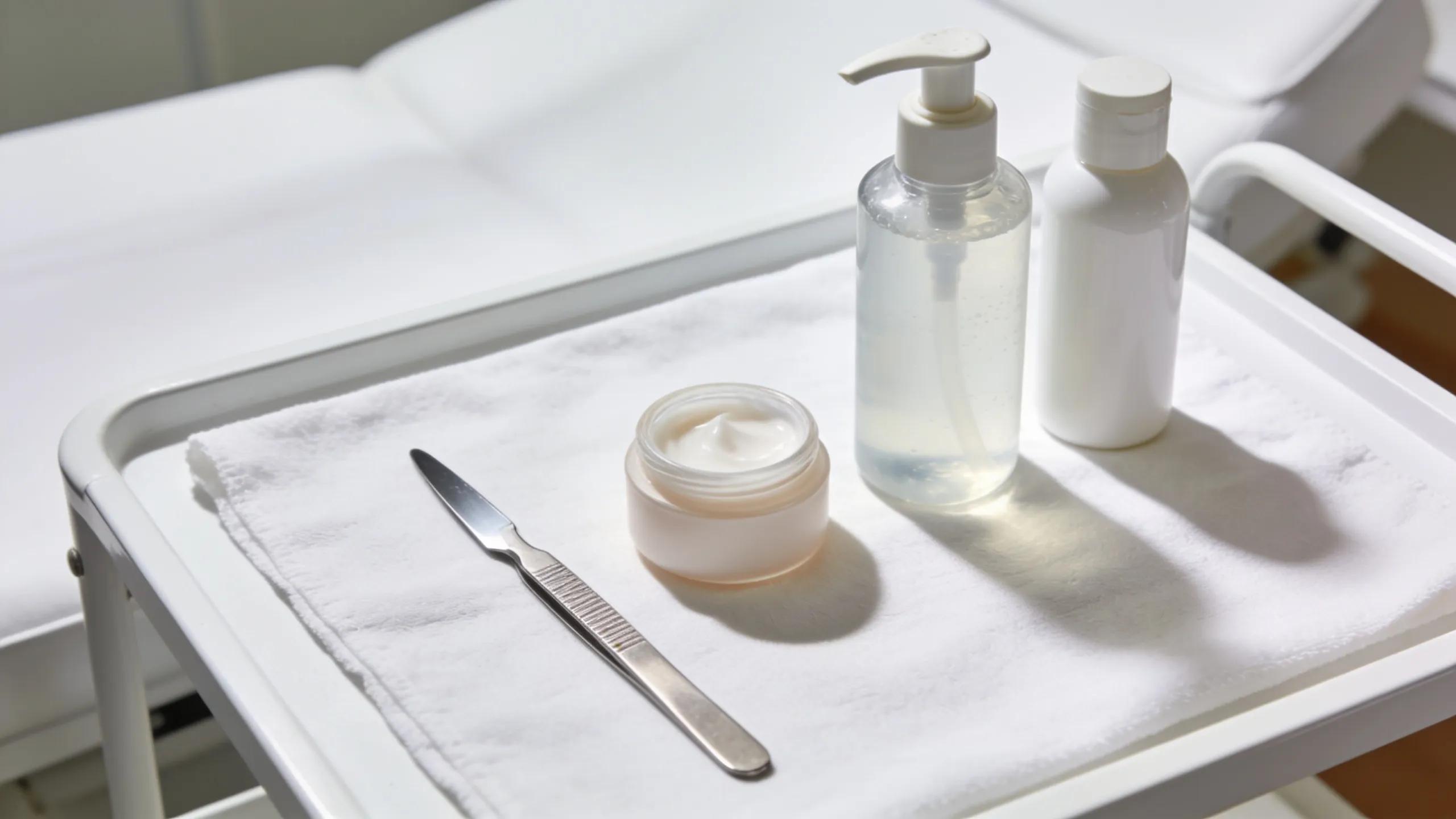
Required Tools:
- Sterile Surgical Scalpel: A specialized scalpel is utilized for precision and safety during the treatment.
- Cleansing Products: A gentle cleanser is important to prepare the skin adequately.
- Post-Treatment Moisturizer: Ideally, a light moisturizer or serum should be applied afterward to soothe the skin and lock in hydration.
Step-by-Step Procedure:
- Cleanse the skin thoroughly to remove makeup and impurities.
- Using the surgical scalpel at a 45-degree angle, the practitioner gently scrapes the skin's surface, removing dead cells and vellus hair.
- After the exfoliation is complete, a nourishing moisturizer or serum is applied to hydrate the skin.
What Skin Types Are Best Suited for Dermaplaning?
- Dull Skin: Individuals looking for a brighter complexion can benefit greatly from the exfoliation provided by this treatment.
- Dry Skin: Removing dead skin layers helps hydrate and rejuvenate dry skin.
- Fine Hair: Those with fine vellus hair often prefer dermaplaning for a smooth finish without irritation.
What Is Dermablading and How Does It Differ from Dermaplaning?
Benefits and Risks of Dermaplaning and Dermablading Treatments
Risks and Side Effects:
- Redness: Mild redness or sensitivity can occur immediately after the procedure.
- Micro-abrasions: Improper technique can cause these minor injuries if the scalpel is used too aggressively.
- Breakouts: Some individuals may experience breakouts post-treatment due to impurities released from the skin.
Suitable Skin Types:
Aftercare Recommendations:
- Hydration: It is critical to keep the skin hydrated post-treatment with gentle moisturizers.
- Sun Protection: Sunscreen should be applied daily, as freshly exfoliated skin can be more vulnerable to UV rays.
What Skin Improvements Can You Expect from Dermaplaning and Dermablading?
What Are the Potential Risks and Side Effects of These Exfoliation Techniques?
How to Care for Your Skin After Dermaplaning and Dermablading Treatments
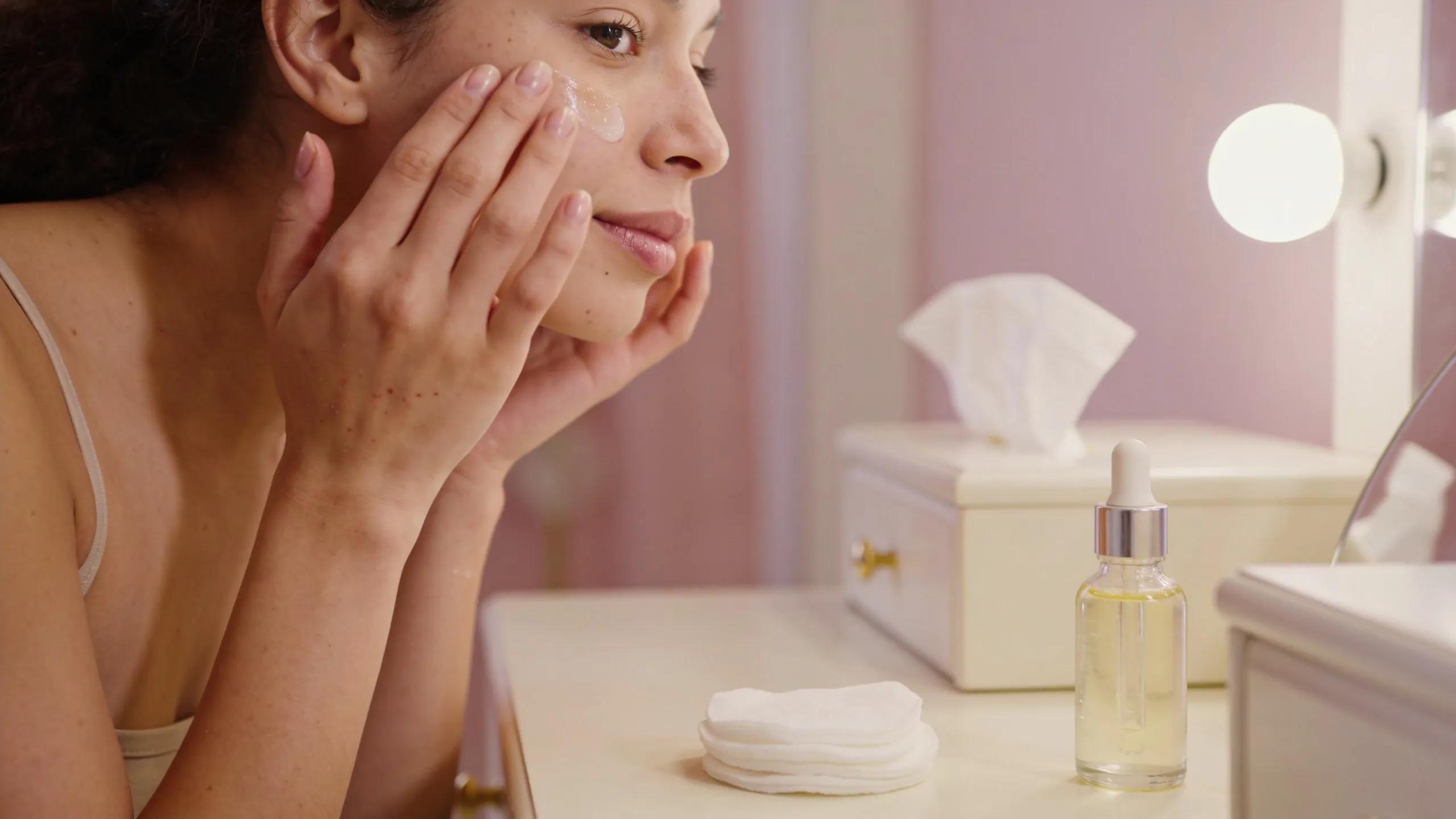
What Are the Best Post-Treatment Care Practices to Maximize Results?
- Gentle Cleansing: Use only mild cleansers that will not irritate the skin.
- Hydration: Applying a hydrating serum can help maintain moisture levels and soothe the skin.
- Avoiding Makeup: For at least 24 hours, it is best to avoid heavy makeup application to allow the skin to breathe.
How Long Is the Recovery Timeline Following Dermaplaning or Dermablading?
How Do Dermaplaning and Dermablading Compare with Other Exfoliation Methods Like Microdermabrasion?
What Are the Differences Between Dermaplaning and Microdermabrasion?
- Technique: Dermaplaning is a manual method using a scalpel, while microdermabrasion employs a device to spray fine crystals onto the skin.
- Depth of Exfoliation: Microdermabrasion may reach deeper layers of the skin, making it suitable for more significant textural issues but also typically more aggressive.