
How Many Laser Treatments Do You Need for Sun Spots?

It’s one of the first questions we hear: how many sessions will it take? Sun spots build up over years of exposure, especially here in Florida, so it makes sense that clearing them takes more than a single visit.

Here’s what a realistic plan looks like, why results build over a series, and how to protect your results once your skin is clear.

The short answer

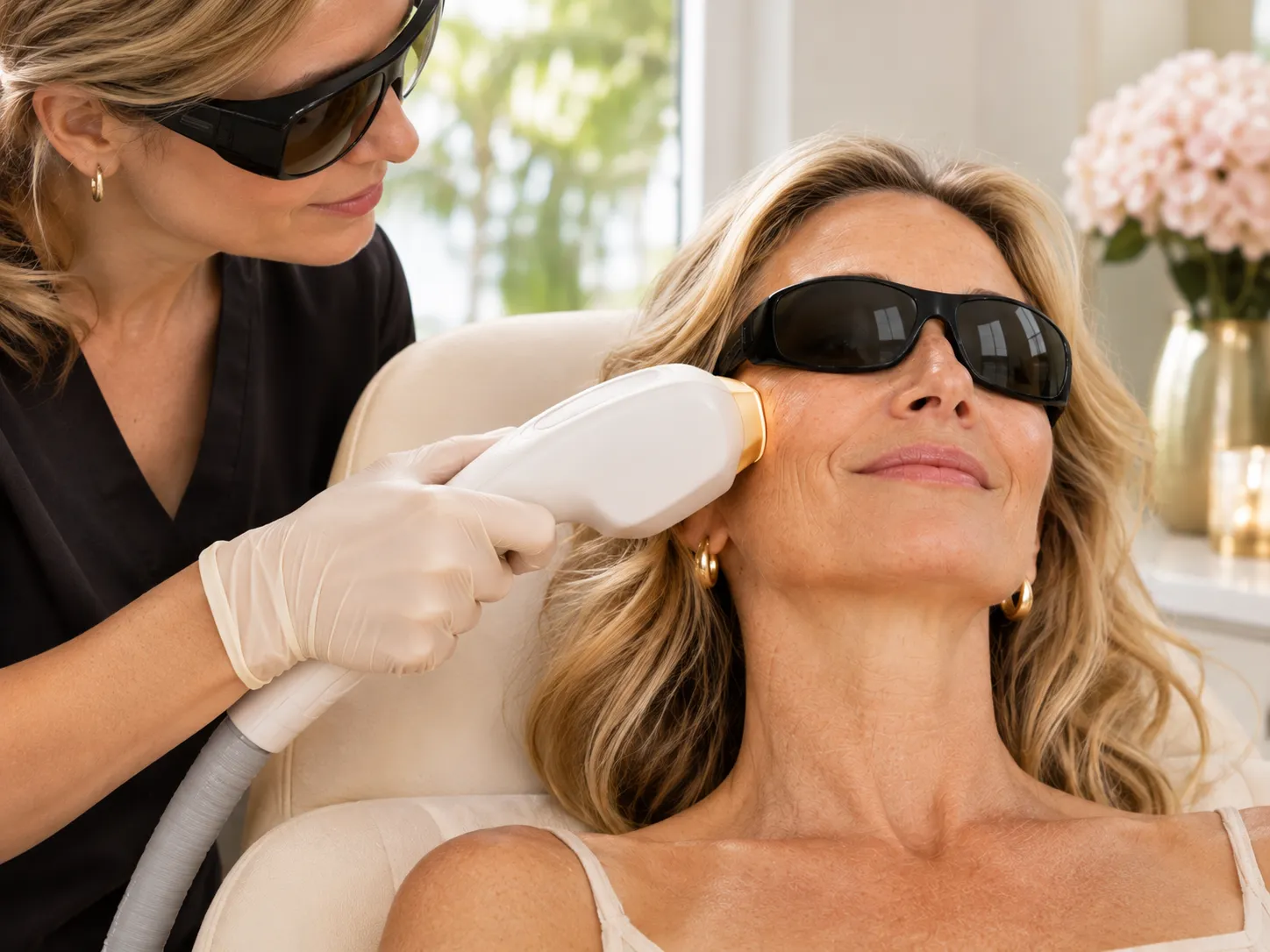
Most laser skin resurfacing plans at Tonicity call for 5 to 6 sessions, spaced 3 to 4 weeks apart. Skin with more extensive sun damage may need additional sessions. Your exact plan depends on how many spots you have, how deep the pigment sits, your skin tone, and the areas being treated.

Why results build over a series

Each session gently targets pigment in the treated area. After IPL, sun spots typically darken over the following days, then flake away as your skin renews itself. Each round lightens what remains.

Treating gradually is also safer. Working in a series lets your provider use measured settings, see how your skin responds, and adjust from one session to the next, rather than pushing for everything at once. That’s how results stay natural and even.

What affects how many sessions you need

  • How much sun damage you have. A few isolated spots usually clear faster than widespread damage built up over decades.

  • Your skin tone. IPL is generally best suited to lighter skin tones. Radiofrequency options such as Sylfirm X are safe for a broader range of skin tones and may be recommended instead.

  • The type of pigment. Not all brown patches are sun spots. Melasma, for example, behaves differently and often calls for a different approach, such as Sylfirm X.

  • The areas treated. Face, neck, chest, hands, and arms can all be treated, and each responds a little differently.

  • Sun exposure during your series. New sun exposure can create new pigment and slow your progress.

How much sun damage you have. A few isolated spots usually clear faster than widespread damage built up over decades.

Your skin tone. IPL is generally best suited to lighter skin tones. Radiofrequency options such as Sylfirm X are safe for a broader range of skin tones and may be recommended instead.

The type of pigment. Not all brown patches are sun spots. Melasma, for example, behaves differently and often calls for a different approach, such as Sylfirm X.

The areas treated. Face, neck, chest, hands, and arms can all be treated, and each responds a little differently.

Sun exposure during your series. New sun exposure can create new pigment and slow your progress.

Have new or changing spots checked first

Before treating any spot cosmetically, it’s important to know what it is. Any new spot, or one that’s changing in size, shape, or color, should be evaluated by a medical professional first. The American Academy of Dermatology’s guide to the ABCDEs of melanoma is a helpful reference for knowing what to watch for. Being physician-led means we always put your health ahead of cosmetic goals.

A sample timeline

Stage

What to expect

Consultation

We assess your skin, your spots, and your goals, then build your plan.

Sessions 1 to 2

Spots darken and flake away. Early lightening is often visible.

Sessions 3 to 6

Tone continues to even out as remaining pigment fades.

After your series

Results settle over the following weeks. Maintenance keeps them.

With sessions every three to four weeks, a series that starts in November can often wrap up by early spring, before Florida’s sun season returns. Learn more about why fall and winter are the best time for laser skin resurfacing in Tampa Bay.

Maintenance: keeping your results

Laser treatment can clear existing sun spots, but it can’t stop the sun from creating new ones. Over time, sun exposure can bring pigment back, which is why many people return for periodic maintenance sessions. Your provider will recommend a maintenance schedule based on your skin and how much time you spend outdoors.

How SPF and medical-grade skincare protect your results

In Florida, daily sun protection is the single most important thing you can do to protect your results:

  • Wear a broad-spectrum SPF 30 or higher every day, including cloudy days, and reapply every two hours outdoors.

  • Take extra care on the water and the beach, where reflected sun adds to your exposure.

  • Add a wide-brimmed hat and sunglasses, and seek shade at midday.

Wear a broad-spectrum SPF 30 or higher every day, including cloudy days, and reapply every two hours outdoors.

Take extra care on the water and the beach, where reflected sun adds to your exposure.

Add a wide-brimmed hat and sunglasses, and seek shade at midday.

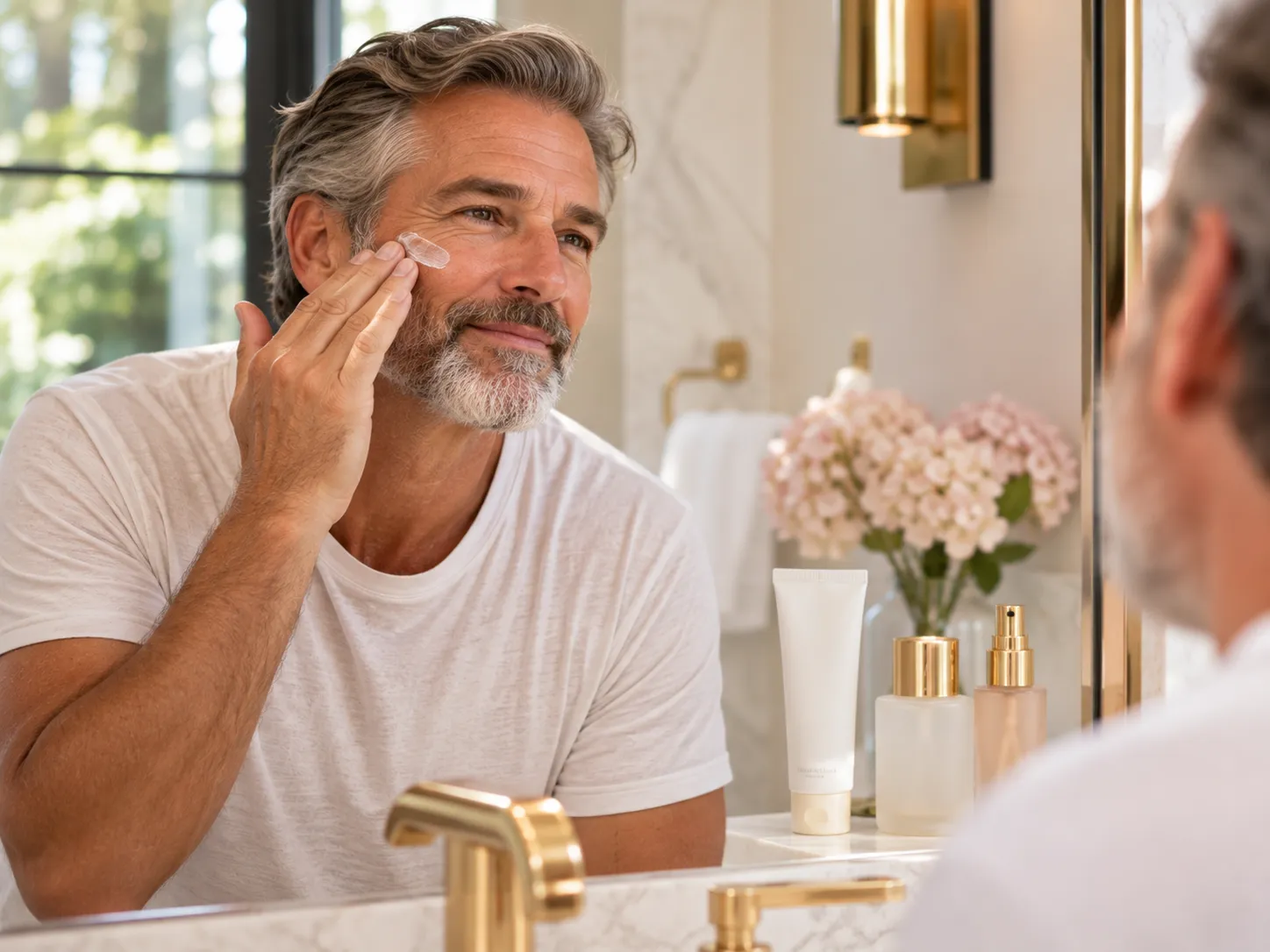
Medical-grade skincare can help, too. Our team can recommend brightening and protective products from SkinMedica and skinbetter science, which we carry in the practice, to help keep your tone even between sessions and long after your series ends.

A plan built around you

Tonicity is physician-owned and operated, and every treatment plan is developed under the medical direction of Dr. Edward Deutscher, a board-certified physician with decades of laser experience. We use real, brand-name products, hold our practice to operating-room standards, and listen first, then plan, so your results look natural and last. Explore all your options in The Complete Guide to Laser Skin Resurfacing.

Prefer to talk first? Call us at (727) 205-6842.

Results and the number of sessions needed vary by individual. This article is for general education and is not a substitute for a medical consultation.

Other Articles You Might Like

Skip to content